







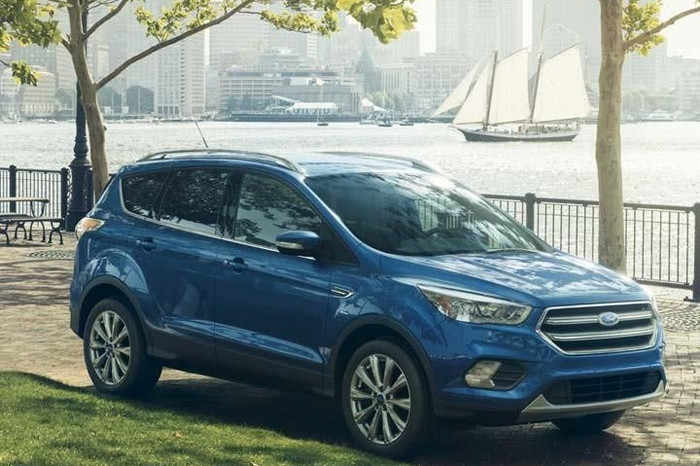
After a quarter-century of success, Ford has officially pulled the plug on the Ford Escape. The final unit of this legendary SUV rolled off the assembly line at the Louisville Assembly Plant on December 17, 2025, marking the end of an era that began in 2000.
While Ford is shifting its focus toward a greener future, the decision has sent shockwaves through its dealership network, with many showroom owners fearing the loss of their most loyal customer base.
The Strategy: Making Way for Electric Power
Ford’s decision to retire the Escape is a calculated move to facilitate a massive industrial pivot. The company is currently investing $2 billion (approx. Rp 31 trillion) to renovate the Louisville facility.
By 2027, this plant will be dedicated to producing a new mid-sized electric pickup truck built on Ford’s “Universal EV Platform.” In the meantime, Ford expects consumers looking for compact utility to migrate toward the Bronco Sport or the Maverick pickup.
Dealer Anxiety: Losing the “Bread and Butter”
Despite Ford’s optimism, dealership owners are vocal about their concerns. For many, the Escape was more than just an SUV—it was the primary “entry point” for the brand.
Key concerns raised by dealers include:
-
Affordability: The Escape was one of the most budget-friendly options in Ford’s lineup. Without it, dealers fear first-time buyers will be priced out of the brand.
-
Brand Loyalty: Dealers argue that customers who start with an Escape often “graduate” to more expensive models like the Explorer.
-
Competitor Gains: There is a growing fear that losing an entry-level SUV will drive customers straight into the arms of rivals like Toyota, Honda, or Hyundai.
“If we lose the entry-level buyer, we lose a generation of customers,” warned Nathan Meckley, General Manager of Downtown Ford in Sacramento.
By the Numbers: A Fading Icon?
Ford’s justification for the cut may lie in the declining sales figures. While the Escape was a juggernaut in 2017 with over 308,000 units sold, its popularity has waned significantly: