







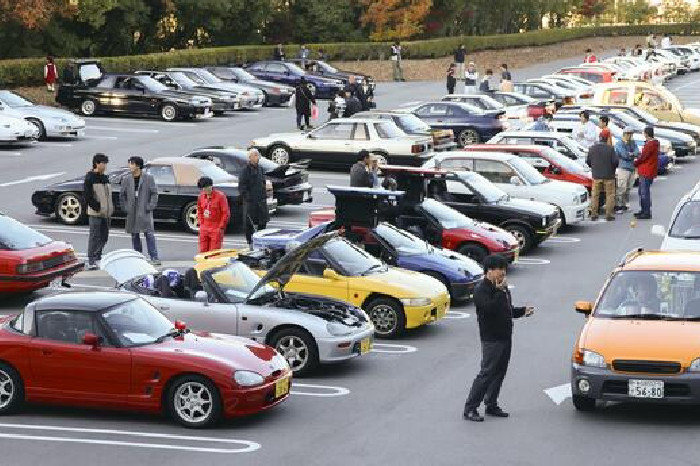
The golden age of Japanese automotive engineering—the 1980s and 1990s—was recently celebrated in spectacular fashion. Late last month, the Toyota Automobile Museum in Nagakute, Aichi Prefecture, hosted a parade of 100 iconic vehicles, marking a significant tribute to the period enthusiasts call the “Rad Era.”
This era is characterized by bold technological leaps, pop-culture influence, and the birth of “hero cars” that still command cult followings globally.
A Gathering of Automotive Icons
The event drew owners from across Japan, showcasing not just Toyota’s heritage but the broader excellence of the Japanese domestic market (JDM). From turbocharged rally legends to lightweight roadsters, the parade was a living history of a time when Japanese manufacturers dominated the global car scene.
Notable highlights from the event included:
-
Mitsubishi Lancer Evolution: Representing the rally-bred power of the 90s. One young owner, 22-year-old Rikuto Sato, traveled from Miyagi Prefecture to showcase the “overwhelming power” of his “Evo.”
-
Mazda Roadster (MX-5/Miata): A symbol of pure driving pleasure. Participant Hideki Maejima displayed his Roadster, which he has cherished and driven for 35 years.
-
Toyota Classics: Various models that paved the way for the brand’s current performance identity.
Preserving Culture Through Tourism
The parade is part of a larger initiative by Toyota Motor Corp. to promote car culture and historical preservation. By connecting legendary machines with tourism and public events, the museum aims to engage a new generation of enthusiasts.
Yasuhiro Sakakibara, the museum’s current director and former Lexus chief engineer, emphasized the importance of these gatherings. He noted that the goal is to create diverse opportunities for people to enjoy automobiles, bridging the gap between historical machines and modern lifestyle tourism.
If you missed the parade, the celebration of 80s and 90s Japanese engineering continues. The Toyota Automobile Museum is hosting a special exhibit of selected Rad Era cars, which will remain open to the public through April 2026.
The museum remains a sanctuary for vehicles of significant historical value, ensuring that the spirit of these “hero cars” is passed down to future generations.